


How to Successfully Underwrite a Commercial Property Deal: A Complete Guide for Investors
Commercial real estate underwriting can make or break your investment success. Whether you’re a seasoned investor or just starting your journey into commercial properties, understanding how to properly evaluate a deal is crucial for long-term profitability. The difference between a profitable investment and a costly mistake often comes down to thorough, accurate underwriting.
In this comprehensive guide, we’ll walk through the essential steps and considerations for successfully underwriting commercial property deals. From analyzing cash flows to understanding market dynamics, you’ll learn the framework that professional investors use to evaluate opportunities and make informed decisions.
Understanding Commercial Real Estate Underwriting
Commercial real estate underwriting is the process of analyzing a property’s financial performance, market position, and investment potential. Think of it as your due diligence roadmap – a systematic approach to determining whether a property will generate the returns you’re seeking while managing acceptable levels of risk.
Unlike residential properties where emotions and lifestyle factors often drive decisions, commercial underwriting relies heavily on numbers, market data, and objective analysis. The goal is to create a realistic picture of the property’s current performance and future potential, allowing you to make data-driven investment decisions.
Successful underwriting involves examining multiple layers of information, from the property’s physical condition to its financial statements, market comparables, and broader economic trends. Each piece of the puzzle contributes to your overall understanding of the investment opportunity.
Essential Financial Analysis Components
The foundation of any commercial property underwriting begins with a thorough financial analysis. This involves examining the property’s income statement, understanding its revenue streams, and accurately calculating operating expenses.
Start by reviewing the property’s rent roll and lease agreements. Look for lease expiration dates, rental rates compared to market standards, and the creditworthiness of tenants. A property with long-term leases to creditworthy tenants typically presents lower risk than one with month-to-month agreements or financially unstable occupants.
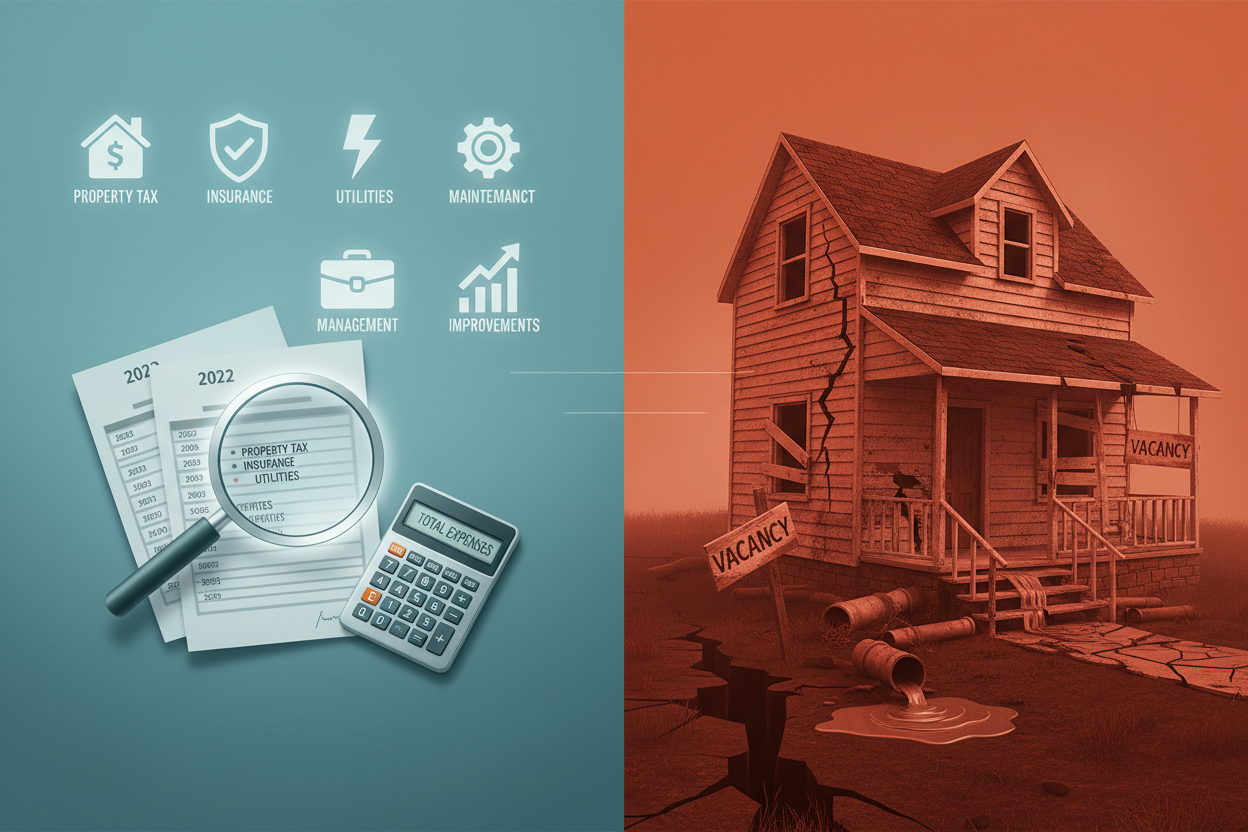
Operating expenses deserve careful scrutiny. Review at least three years of historical financial statements to identify trends and anomalies. Common expenses include property taxes, insurance, utilities, maintenance, management fees, and capital improvements. Be particularly cautious of properties where the seller claims unusually low operating expenses – they might not be accounting for deferred maintenance or normal vacancy rates.
Calculate the property’s Net Operating Income (NOI) by subtracting operating expenses from gross rental income. This figure forms the basis for determining the property’s value and your potential returns. Remember that NOI doesn’t include debt service, depreciation, or capital expenditures, so you’ll need to factor these into your overall investment analysis.
Market Analysis and Comparable Sales
Understanding the local market is just as important as analyzing the property’s financials. Market analysis helps you determine whether the asking price is reasonable and provides insight into future appreciation potential.
Research comparable sales and listings in the area, focusing on properties with similar characteristics such as size, age, location, and property type. Pay attention to price per square foot, capitalization rates, and recent transaction trends. This information helps validate the seller’s asking price and supports your valuation assumptions.
Examine local economic indicators that could affect your investment. Look at employment rates, population growth, major employers, and planned infrastructure improvements. A growing market with diverse employment opportunities typically supports stronger rental demand and property values over time.
Don’t forget to analyze the competitive landscape. Identify other commercial properties in the area and assess how your potential investment compares in terms of location, amenities, and rental rates. Understanding the competition helps you evaluate the property’s market position and potential for rent growth.
Property Condition and Due Diligence
A property’s physical condition significantly impacts its investment potential and your future expenses. Even if the numbers look attractive on paper, hidden structural issues or deferred maintenance can quickly erode your returns.
Conduct a thorough property inspection, preferably with qualified professionals who can identify potential issues with the building’s systems, structure, and compliance with local codes. Pay special attention to the roof, HVAC systems, electrical infrastructure, and plumbing, as these represent the most expensive potential repairs.
Review any environmental assessments and ensure the property complies with current zoning regulations and building codes. Environmental issues can be particularly costly to remediate and may limit your ability to sell or refinance the property in the future.
Document any immediate capital improvements needed and factor these costs into your investment analysis. Create a timeline for major maintenance items like roof replacement or HVAC upgrades, and budget accordingly. This forward-thinking approach helps prevent unexpected expenses from derailing your investment returns.
Cash Flow Projections and Return Calculations
Creating realistic cash flow projections is where your underwriting skills truly shine. This involves forecasting the property’s income and expenses over your intended holding period, typically five to ten years.
Start with conservative assumptions about rental growth, vacancy rates, and expense increases. While it’s tempting to be optimistic, successful investors build in cushions for unexpected challenges. Use market data to support your growth assumptions, and consider factors like lease rollover risk and potential capital improvements.
Calculate key investment metrics including cash-on-cash return, internal rate of return (IRR), and net present value (NPV). These metrics help you compare different investment opportunities and determine whether the deal meets your return requirements.
Don’t forget to model different exit scenarios. Whether you plan to hold the property long-term or sell after a few years, understanding potential exit values helps you evaluate the total return potential of your investment.
Risk Assessment and Mitigation Strategies
Every commercial real estate investment carries risks, and successful underwriting involves identifying and quantifying these risks while developing mitigation strategies.
Tenant concentration risk is a major consideration, especially for smaller properties. A building that depends heavily on one or two tenants faces significant cash flow risk if those tenants leave. Evaluate the stability of major tenants and consider how tenant diversification affects your investment’s risk profile.
Market risk involves broader economic factors that could affect property values and rental demand. Consider how economic downturns, changes in interest rates, or shifts in local employment could impact your investment. Properties in economically diverse markets typically face lower market risk than those dependent on a single industry.
Liquidity risk is often overlooked but important to consider. Commercial properties can take months or years to sell, especially in challenging market conditions. Ensure you have adequate reserves and don’t overleverage yourself to the point where you might be forced to sell at an inopportune time.
Financing Considerations in Underwriting
Your financing strategy significantly impacts your investment returns and should be integrated into your underwriting analysis from the beginning. Different loan structures, interest rates, and down payment requirements can dramatically change your cash flow projections.
Understand the debt service coverage ratio (DSCR) requirements for commercial loans, typically ranging from 1.20 to 1.35. This ratio compares the property’s NOI to its annual debt service and helps determine how much financing you can obtain.
Consider different financing options including traditional bank loans, SBA loans, and alternative lenders. Each option comes with different terms, requirements, and costs that should be factored into your analysis.
Model how different leverage levels affect your returns. While higher leverage can amplify returns in good times, it also increases risk and can magnify losses if the property underperforms. Find the leverage level that balances return potential with acceptable risk levels for your investment strategy.
Common Underwriting Mistakes to Avoid
Even experienced investors can fall into underwriting traps that lead to poor investment decisions. Being aware of these common mistakes helps you avoid costly errors.
One of the biggest mistakes is being overly optimistic about rental growth or occupancy rates. While markets can certainly improve, basing your investment decision on best-case scenarios is a recipe for disappointment. Always use conservative assumptions and build in buffers for unexpected challenges.
Another common error is failing to account for capital expenditures in your cash flow projections. Every building requires ongoing maintenance and eventual major repairs or improvements. Ignoring these costs can significantly overstate your expected returns.
Don’t rely solely on seller-provided financial information without verification. Sellers have incentives to present their property in the best possible light, and their financial statements might not tell the complete story. Always verify key information and conduct your own analysis.
Finally, avoid falling in love with a property before completing your analysis. Emotional decision-making has no place in commercial real estate underwriting. If the numbers don’t work, walk away regardless of how much you like the property or how much time you’ve invested in the analysis.
Frequently Asked Questions
What is the most important metric in commercial real estate underwriting?
While multiple metrics are important, Net Operating Income (NOI) is often considered the most crucial as it forms the basis for property valuation and return calculations. However, successful underwriting requires analyzing multiple metrics including cash-on-cash return, IRR, and debt service coverage ratio.
How long should the underwriting process take?
The underwriting timeline varies depending on property complexity and deal size, but typically ranges from 2-6 weeks. Smaller, simpler properties might be underwritten in a few days, while large, complex deals can take several months to fully analyze.
What capitalization rate should I use for commercial properties?
Cap rates vary significantly by property type, location, and market conditions. Research recent comparable sales in your market to determine appropriate cap rates. Generally, cap rates range from 4-12%, with higher rates indicating higher risk or lower-quality properties.
How do I verify seller-provided financial information?
Request supporting documentation including rent rolls, lease agreements, tax returns, utility bills, and vendor invoices. Consider hiring a third-party accounting firm to review financials for larger deals. Also, compare the property’s performance to market benchmarks and similar properties.
What percentage should I budget for capital expenditures?
Capital expenditure budgets typically range from 5-15% of gross rental income, depending on the property’s age and condition. Newer properties might require 5-8%, while older buildings could need 10-15% or more. Always conduct a property condition assessment to inform your CapEx projections.
Should I hire professionals to help with underwriting?
For significant investments or if you’re new to commercial real estate, consider hiring professionals such as commercial real estate brokers, appraisers, property inspectors, and accountants. Their expertise can help identify issues you might miss and provide valuable market insights.
Successfully underwriting commercial property deals requires a combination of financial analysis skills, market knowledge, and attention to detail. By following the systematic approach outlined in this guide and avoiding common pitfalls, you’ll be well-equipped to evaluate investment opportunities and make informed decisions that align with your investment goals. Remember that underwriting is both an art and a science – the numbers provide the foundation, but experience and judgment help you interpret what those numbers really mean for your investment success.
Free Stuff!
Add CTA sections description.