


Finding the Best CRE Investment Opportunities in 2026: A Strategic Guide for Smart Investors
The commercial real estate landscape has never been more dynamic than it is today. As we navigate through 2026, investors are facing a unique combination of challenges and opportunities that require careful consideration and strategic thinking. Whether you’re a seasoned investor or just starting to explore commercial real estate (CRE), understanding where to find the best opportunities can make the difference between mediocre returns and exceptional profits.
The market has evolved significantly over the past few years, with technology, changing work patterns, and economic shifts reshaping how we think about commercial properties. From the rise of hybrid work models affecting office spaces to the explosive growth of e-commerce transforming retail and industrial properties, investors need fresh perspectives and updated strategies to succeed in today’s market.
Understanding the Current CRE Market Landscape in 2026
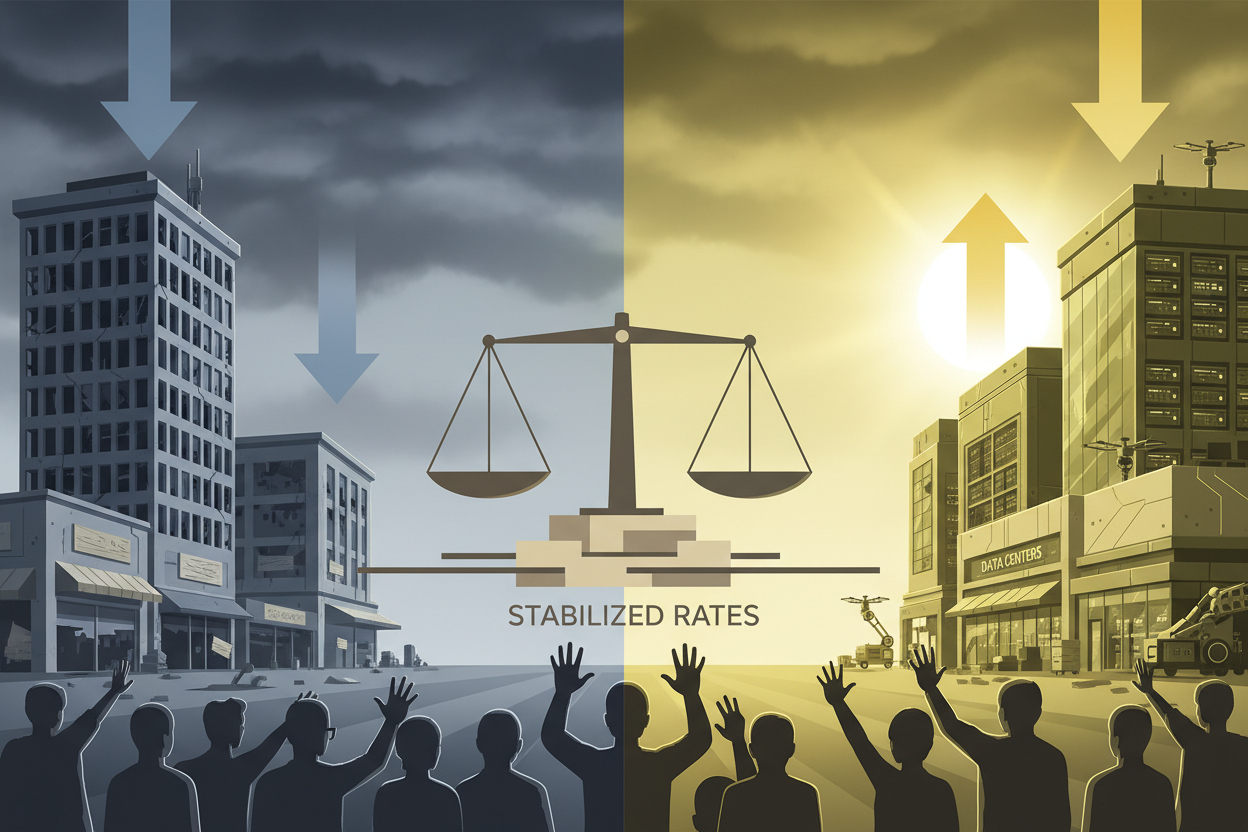
The commercial real estate market in 2026 presents a fascinating paradox. While some traditional sectors face headwinds, others are experiencing unprecedented growth. Interest rates have stabilized after years of volatility, creating more predictable financing conditions for investors. However, this stability has also led to increased competition for prime properties, making it essential to look beyond obvious opportunities.
Regional variations have become more pronounced than ever before. While major metropolitan areas continue to command premium prices, secondary and tertiary markets are showing remarkable resilience and growth potential. Cities like Austin, Nashville, and Phoenix have emerged as hotspots for commercial development, offering better value propositions than traditional coastal markets.
The demographic shifts we’re witnessing also play a crucial role in shaping investment opportunities. Millennials and Gen Z are driving demand for flexible, technology-enabled spaces, while baby boomers are creating opportunities in healthcare and senior living facilities. Understanding these generational preferences is key to identifying properties with long-term appreciation potential.
Emerging Property Types and Sectors to Watch
One of the most exciting aspects of the current market is the emergence of new property types that didn’t exist just a decade ago. Data centers have become the new gold mines of commercial real estate, driven by the insatiable demand for cloud computing, artificial intelligence, and digital storage. These properties offer stable, long-term lease agreements with creditworthy tenants, making them attractive to income-focused investors.
Cold storage and last-mile delivery facilities represent another booming sector. The growth of online grocery shopping and meal delivery services has created unprecedented demand for temperature-controlled storage spaces near urban centers. These properties often command higher rents than traditional warehouses and benefit from limited supply in many markets.
Life sciences real estate has also gained tremendous momentum, particularly in biotech hubs like Boston, San Diego, and the Research Triangle in North Carolina. These specialized facilities require significant capital investment but offer premium rents and attract high-quality tenants engaged in cutting-edge research and development.
Mixed-use developments continue to evolve, incorporating residential, office, retail, and entertainment components in innovative ways. The most successful projects create vibrant communities where people can live, work, and play without extensive commuting. These developments often show greater resilience during economic downturns because of their diversified revenue streams.
Geographic Hotspots for CRE Investment Success
Location remains paramount in commercial real estate, but the definition of prime locations has expanded significantly. The Sunbelt states continue to attract businesses and residents fleeing high-tax, high-cost markets, creating opportunities across multiple property types. Texas, Florida, and Arizona lead the pack, but don’t overlook emerging markets in Tennessee, North Carolina, and Nevada.
The Midwest is experiencing a renaissance that many coastal investors are missing. Cities like Indianapolis, Columbus, and Kansas City offer compelling value propositions with growing populations, business-friendly environments, and significantly lower entry costs. These markets may not generate the headlines that New York or San Francisco do, but they often provide superior risk-adjusted returns.
International investors should also consider the stability and growth potential of secondary U.S. markets. While foreign investment in prime coastal markets faces increasing scrutiny and competition, opportunities in heartland America remain abundant and welcoming.
Proximity to major transportation hubs, universities, and healthcare systems continues to drive value creation. Properties near airports, interstate highways, and major ports benefit from logistics and distribution trends, while university towns offer stability through education-related demand.
Technology-Driven Investment Strategies
The integration of technology into commercial real estate has accelerated dramatically, creating both opportunities and necessities for modern investors. PropTech platforms now offer sophisticated analytics that can identify undervalued properties, predict market trends, and optimize property management operations.
Smart building technologies are no longer optional amenities but essential features that tenants expect. Properties equipped with advanced HVAC systems, energy management platforms, and integrated security systems command premium rents and attract higher-quality tenants. Investors who upgrade existing properties with these technologies often see immediate improvements in occupancy rates and rental income.
Virtual and augmented reality tools have revolutionized how investors evaluate properties, especially in distant markets. You can now conduct thorough property inspections, assess neighborhood characteristics, and even visualize renovation potential without leaving your office. This technology has democratized access to national and international investment opportunities.
Artificial intelligence and machine learning algorithms are becoming increasingly sophisticated at predicting market trends, tenant behavior, and property performance. Investors who leverage these tools gain significant advantages in identifying opportunities before they become widely recognized.
Due Diligence Best Practices for 2026
The due diligence process has become more complex but also more critical than ever before. Environmental considerations now extend beyond traditional contamination concerns to include climate change risks, energy efficiency requirements, and sustainability certifications. Properties in flood-prone areas or regions susceptible to extreme weather events require additional scrutiny and insurance considerations.
Financial due diligence must account for changing tenant preferences and lease structures. The traditional long-term, triple-net lease is giving way to more flexible arrangements that may include revenue sharing, shorter terms, or built-in rent adjustments. Understanding these evolving lease structures is essential for accurate cash flow projections.
Technology infrastructure has become as important as physical infrastructure. Investors must evaluate internet connectivity, cellular coverage, and the capacity for future technology upgrades. Properties that cannot support high-speed internet or modern communication systems face obsolescence regardless of their physical condition.
Regulatory compliance has become increasingly complex, with new requirements related to accessibility, energy efficiency, and safety standards. Staying current with local, state, and federal regulations is essential to avoid costly surprises after acquisition.
Financing Strategies and Capital Optimization
The financing landscape for commercial real estate has evolved significantly, with new options emerging alongside traditional bank lending. Alternative lenders, including private credit funds and fintech platforms, offer more flexible terms and faster closing times, though often at higher interest rates.
Opportunity Zones continue to provide tax advantages for investors willing to commit capital to designated areas. While the initial rush has subsided, sophisticated investors are finding excellent opportunities in these zones, particularly in markets with strong underlying fundamentals.
Joint ventures and syndications have become more accessible through online platforms, allowing smaller investors to participate in larger, institutional-quality deals. These arrangements can provide access to markets and property types that would otherwise be out of reach for individual investors.
Creative financing structures, including seller financing, master lease agreements, and build-to-suit arrangements, can provide competitive advantages in tight markets. Investors who understand these alternatives often win deals that others cannot finance conventionally.
Risk Management in Today’s Market Environment
Risk management has taken on new dimensions in the current market environment. Diversification remains crucial, but the definition of diversification has expanded beyond geographic and property type considerations to include tenant industries, lease terms, and even technology dependencies.
Climate risk has emerged as a significant factor that cannot be ignored. Properties in areas prone to flooding, hurricanes, wildfires, or extreme heat events face both physical risks and potential stranded asset scenarios as insurance becomes unavailable or prohibitively expensive.
Cybersecurity risks have become relevant to commercial real estate as buildings become more connected and dependent on digital systems. Investors must consider the vulnerability of building systems to cyber attacks and ensure appropriate insurance coverage and security measures are in place.
Market timing risks require careful consideration given the cyclical nature of commercial real estate. While trying to time markets perfectly is impossible, understanding where we are in the cycle and positioning accordingly can significantly impact returns.
Conclusion: Positioning for Success in 2026 and Beyond
Finding the best CRE investment opportunities in 2026 requires a combination of traditional real estate wisdom and modern market understanding. The most successful investors will be those who embrace technology while maintaining focus on fundamental principles of location, cash flow, and tenant quality.
The market offers tremendous opportunities for those willing to look beyond conventional wisdom and explore emerging property types, secondary markets, and innovative financing structures. However, success requires thorough due diligence, sophisticated risk management, and the flexibility to adapt strategies as market conditions evolve.
As we move forward, the investors who thrive will be those who view commercial real estate not just as static assets but as dynamic platforms for creating value through active management, strategic improvements, and responsive tenant services. The opportunities are there for those prepared to find them.
Frequently Asked Questions
What are the most promising CRE sectors for investment in 2026?
Data centers, cold storage facilities, life sciences properties, and mixed-use developments are showing the strongest growth potential. Industrial properties, particularly those serving e-commerce and logistics, continue to outperform traditional office and retail sectors.
How has technology changed CRE investing strategies?
Technology has revolutionized property analysis, due diligence, and management. PropTech platforms provide sophisticated analytics, virtual reality enables remote property evaluation, and smart building technologies have become essential for attracting quality tenants and commanding premium rents.
Which geographic markets offer the best opportunities for new investors?
Secondary markets in the Sunbelt states, including Austin, Nashville, Phoenix, and Tampa, offer strong growth potential with lower entry costs than traditional coastal markets. Midwest cities like Indianapolis and Columbus are also emerging as attractive investment destinations.
What financing options are available for CRE investments in 2026?
Beyond traditional bank financing, investors can access alternative lenders, opportunity zone investments, online syndication platforms, and creative structures like seller financing and master lease agreements. Each option offers different advantages depending on the specific investment strategy.
How important is sustainability in commercial real estate investing?
Sustainability has become crucial for both regulatory compliance and tenant attraction. Properties with energy-efficient systems, green certifications, and climate resilience features command premium rents and face lower obsolescence risks. Environmental due diligence now includes climate change impact assessments.
What are the biggest risks facing CRE investors today?
Key risks include climate change impacts, cybersecurity vulnerabilities, changing tenant preferences, regulatory compliance requirements, and market timing challenges. Successful investors develop comprehensive risk management strategies that address these evolving threats while maintaining focus on opportunities.
Free Stuff!
Add CTA sections description.