


Structuring Debt for Commercial Real Estate: Expert Insights
When I first started working in commercial real estate finance, I thought debt structuring was simply about finding the lowest interest rate. How wrong I was! After years of watching deals succeed and fail, I’ve learned that the art of structuring commercial real estate debt is far more nuanced than most people realize. It’s about creating a financial framework that not only supports your immediate acquisition goals but also positions your investment for long-term success.
Commercial real estate debt structuring is the strategic arrangement of financing terms, conditions, and structures to optimize cash flow, minimize risk, and maximize returns on property investments. Whether you’re a seasoned investor or just entering the commercial real estate market, understanding how to properly structure debt can make the difference between a profitable venture and a financial disaster.

Understanding Commercial Real Estate Debt Fundamentals
Before diving into advanced structuring strategies, it’s crucial to grasp the basic components of commercial real estate debt. Unlike residential mortgages, commercial loans are typically more complex and offer greater flexibility in their structure. The foundation of any commercial real estate debt structure includes the loan amount, interest rate, term length, amortization schedule, and repayment terms.
Commercial lenders evaluate deals differently than residential lenders. They focus heavily on the property’s income-generating potential rather than just the borrower’s personal creditworthiness. This shift in perspective opens up numerous opportunities for creative debt structuring that can benefit both borrowers and lenders.
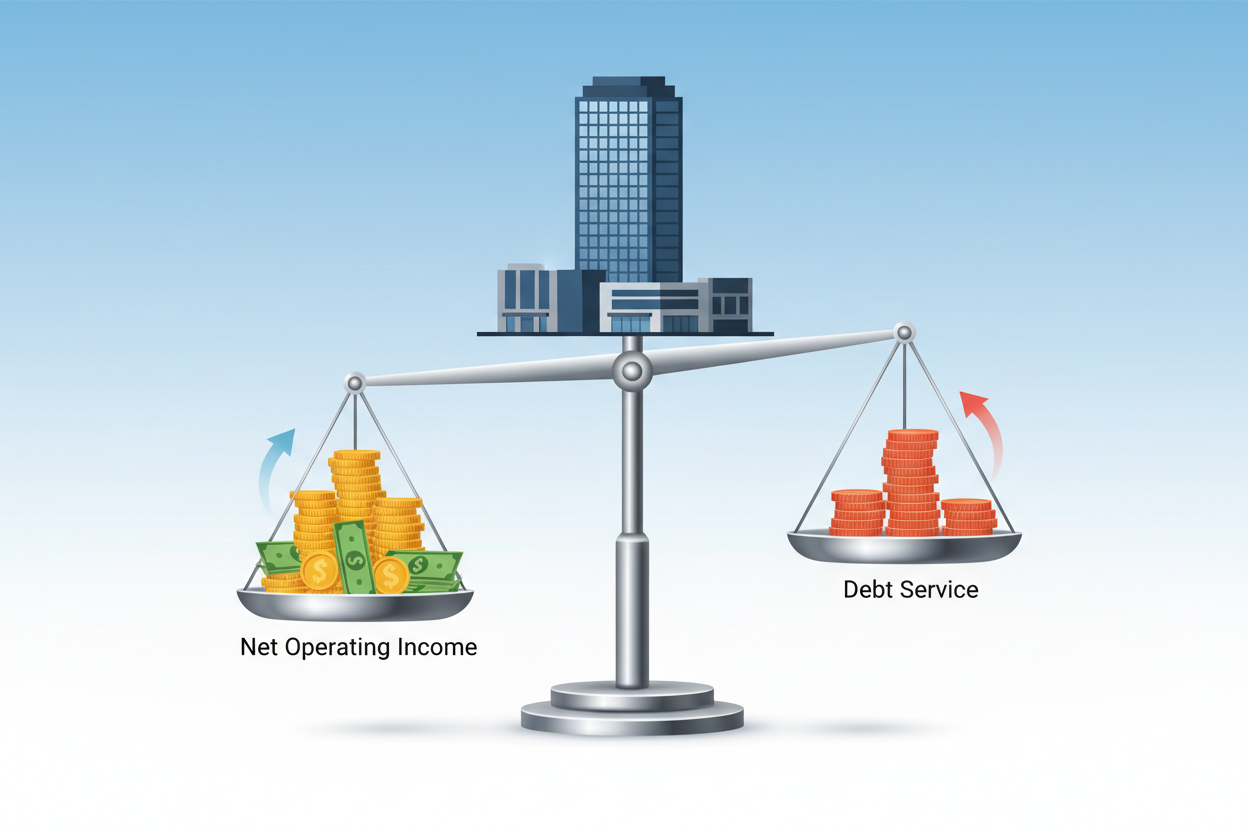
The debt service coverage ratio (DSCR) serves as one of the most critical metrics in commercial real estate financing. Most lenders require a DSCR of at least 1.20, meaning the property’s net operating income should be at least 20% higher than the annual debt service. Understanding this ratio is essential for structuring debt that meets lender requirements while maximizing your leverage.
Types of Commercial Real Estate Debt Structures
The commercial real estate financing landscape offers various debt structures, each with distinct advantages and considerations. Traditional bank loans remain the most common form of financing, typically offering competitive rates for borrowers with strong credit profiles and substantial down payments. These loans usually feature fixed or adjustable rates with terms ranging from five to twenty-five years.
Bridge loans have become increasingly popular for investors seeking short-term financing solutions. These loans typically carry higher interest rates but offer speed and flexibility that traditional financing cannot match. I’ve seen bridge loans close in as little as two weeks, making them invaluable for competitive acquisition scenarios.
Mezzanine financing represents a hybrid between debt and equity, offering borrowers additional capital at higher interest rates in exchange for potential equity participation. This structure can be particularly effective when traditional debt limits prevent optimal leverage, allowing investors to maximize their purchasing power while maintaining control of the asset.
Small Business Administration (SBA) loans provide another viable option, particularly for owner-occupied commercial properties. SBA 504 loans can offer favorable terms with lower down payment requirements, making them attractive for small business owners looking to purchase their operating facilities.
Key Factors in Debt Structure Optimization
Successful debt structuring requires careful consideration of multiple factors that can significantly impact your investment’s performance. Cash flow timing represents one of the most critical elements. Properties with seasonal income fluctuations may benefit from interest-only periods or graduated payment structures that align debt service with income patterns.
Prepayment terms deserve careful attention, especially in today’s volatile interest rate environment. While some borrowers focus solely on securing the lowest rate, negotiating favorable prepayment terms can provide valuable flexibility for future refinancing or sale opportunities. I’ve seen investors save hundreds of thousands of dollars by negotiating step-down prepayment penalties instead of accepting fixed penalties.
Recourse versus non-recourse terms significantly impact risk allocation between borrower and lender. Non-recourse loans limit the borrower’s personal liability to the collateral property, providing important asset protection benefits. However, these loans typically come with higher rates and more restrictive terms, requiring careful analysis of the trade-offs involved.
Loan-to-value ratios directly impact both the required equity investment and the overall cost of capital. While maximizing leverage might seem attractive, optimal debt structuring often involves finding the sweet spot that balances leverage with cost-effectiveness and risk management.
Advanced Debt Structuring Strategies
Experienced commercial real estate investors often employ sophisticated structuring techniques to optimize their financing arrangements. Cross-collateralization strategies allow borrowers to leverage multiple properties within a single loan structure, potentially achieving better terms than individual property financing would provide. This approach can be particularly effective for portfolio acquisitions or when combining strong and weaker assets within a single financing package.
Participating mortgages offer lenders a share in the property’s income or appreciation in exchange for more favorable base terms. While this structure reduces the borrower’s upside potential, it can provide access to capital that might otherwise be unavailable or prohibitively expensive.
Master lease structures can provide creative solutions for properties with tenant credit concerns or unusual cash flow patterns. By having a creditworthy entity master lease the entire property and sublease to tenants, borrowers can often achieve more favorable financing terms based on the master tenant’s credit rather than the underlying tenant mix.
Joint venture structures with institutional partners can provide access to better financing terms while sharing both risks and returns. Many pension funds and insurance companies offer attractive debt terms to joint venture partners, creating win-win scenarios for experienced operators seeking optimal capital structures.
Risk Management Through Proper Debt Structuring
Effective debt structuring serves as a crucial risk management tool that can protect investors from various market scenarios. Interest rate hedging strategies, including rate caps and swaps, can provide protection against rising rates while maintaining flexibility for falling rate environments. The cost of these hedging instruments should be weighed against the potential benefits and the borrower’s risk tolerance.
Maturity laddering across multiple properties can help manage refinancing risk by avoiding simultaneous loan maturities. This strategy ensures that market conditions at any single point in time won’t impact the entire portfolio’s financing simultaneously.
Reserve requirements and cash management provisions can provide important buffers during challenging periods. While these requirements reduce available cash flow, they can prevent defaults during temporary income disruptions and provide lenders with additional security that may translate to better loan terms.
Personal guarantee limitations represent another important risk management consideration. Negotiating carve-outs for standard recourse events while maintaining non-recourse status for general performance can provide important protection while satisfying lender requirements.
Working with Lenders and Financial Partners
Building strong relationships with lenders and understanding their motivations can significantly improve your debt structuring outcomes. Different lender types have varying risk appetites, return requirements, and structural preferences. Community banks might offer more flexibility for local deals, while life insurance companies typically provide the best terms for high-quality, stabilized assets.
Preparing comprehensive loan packages that address lender concerns proactively can streamline the approval process and improve negotiating positions. This includes providing detailed market analysis, comprehensive financial projections, and clear explanations of your investment strategy and experience.
Timing your financing approach strategically can impact available options and terms. Lenders’ appetites for different property types and markets can shift based on economic conditions, regulatory changes, and portfolio considerations. Staying informed about these trends can help you approach the right lenders at the right time.
Maintaining ongoing relationships with multiple lenders provides options for future transactions and refinancing opportunities. Even when you don’t need immediate financing, staying connected with lenders and updating them on your portfolio performance can pay dividends when opportunities arise.
Future Trends in Commercial Real Estate Debt Structuring
The commercial real estate financing landscape continues evolving, with new trends emerging that will impact debt structuring strategies. Technology-driven lending platforms are increasing efficiency and expanding access to capital, particularly for smaller transactions that might not attract traditional institutional lenders.
Environmental, social, and governance (ESG) considerations are becoming increasingly important in commercial real estate financing. Green building certifications and sustainability improvements can now impact both availability and pricing of debt capital, creating new opportunities for environmentally conscious investors.
Alternative lending sources, including debt funds and crowdfunding platforms, are providing new options for commercial real estate financing. While these sources often carry higher costs, they can offer speed and flexibility that traditional lenders cannot match.
Interest rate volatility and economic uncertainty are driving increased demand for flexible debt structures that can adapt to changing market conditions. This trend is likely to continue, making sophisticated debt structuring skills even more valuable for commercial real estate investors.
Conclusion
Structuring debt for commercial real estate investments requires a sophisticated understanding of market dynamics, lender requirements, and risk management principles. The most successful investors view debt structuring not as a necessary evil, but as a strategic tool that can enhance returns while managing risks.
The key to effective debt structuring lies in aligning financing terms with your investment strategy, market conditions, and risk tolerance. This requires ongoing education, strong relationships with financial partners, and the flexibility to adapt structures as markets evolve.
Whether you’re acquiring your first commercial property or expanding an existing portfolio, investing time and resources in proper debt structuring will pay dividends throughout your investment’s lifecycle. The complexity of commercial real estate financing can seem daunting, but with the right knowledge and approach, it becomes a powerful tool for building wealth and achieving your investment objectives.
Remember that debt structuring is not a one-size-fits-all proposition. Each deal presents unique opportunities and challenges that require customized solutions. By understanding the fundamentals outlined in this guide and working with experienced professionals, you’ll be well-positioned to structure debt that supports your commercial real estate investment success.
Frequently Asked Questions
What is the typical loan-to-value ratio for commercial real estate loans?
Most commercial real estate loans offer loan-to-value ratios between 70% and 80%, though this can vary based on property type, borrower strength, and market conditions. Some specialized programs may offer higher leverage, while others may require more conservative ratios.
How long does it typically take to close a commercial real estate loan?
Traditional bank loans usually take 45-60 days to close, while bridge loans can close in 2-3 weeks. SBA loans often take 60-90 days due to additional government approval requirements. The timeline depends on deal complexity, borrower preparedness, and lender efficiency.
What credit score is required for commercial real estate financing?
Most commercial lenders prefer credit scores of 680 or higher, though some may work with borrowers who have scores as low as 620 if other factors are strong. The property’s income-generating ability often matters more than personal credit for commercial loans.
Can I refinance a commercial real estate loan early?
Yes, but most commercial loans include prepayment penalties that can be substantial. These penalties often decrease over time or may be structured as yield maintenance or defeasance requirements. Always review prepayment terms before signing loan documents.
What documentation is required for commercial real estate loan applications?
Typical requirements include personal and business tax returns, financial statements, rent rolls, operating statements, property appraisals, environmental reports, and detailed business plans. Lenders may request additional documentation based on the specific transaction and borrower profile.
Is it better to choose fixed or variable rate commercial loans?
The choice depends on your risk tolerance, market outlook, and investment strategy. Fixed rates provide payment certainty but may be higher initially. Variable rates can offer lower initial costs but expose borrowers to interest rate risk. Consider rate caps or other hedging strategies for variable rate loans.
Free Stuff!
Add CTA sections description.