


Equity Placement: Strategies for Today’s Real Estate Market
Real estate has always been a cornerstone of wealth building, but navigating today’s complex market requires more than just buying low and selling high. With interest rates fluctuating, inventory challenges, and evolving buyer preferences, successful equity placement in real estate demands strategic thinking and adaptability. Whether you’re a first-time investor or a seasoned professional looking to optimize your portfolio, understanding the nuances of equity placement can make the difference between mediocre returns and exceptional wealth creation.
The current real estate landscape presents both unprecedented opportunities and unique challenges. From the rise of remote work reshaping residential demand to the growing importance of sustainable properties, investors must stay ahead of market trends while maintaining a solid foundation in proven strategies. This comprehensive guide will walk you through the essential strategies for maximizing your equity placement in today’s dynamic real estate environment.
Understanding Equity Placement in Real Estate
Equity placement in real estate refers to the strategic allocation of your investment capital across different property types, locations, and investment vehicles to maximize returns while managing risk. Think of it as the art and science of putting your money to work in the most effective way possible within the real estate sector.
Unlike traditional stock investments where you might buy shares and hold them, real estate equity placement involves multiple layers of decision-making. You’re not just choosing which properties to buy, but also determining how much leverage to use, what markets to enter, and how to structure your investments for optimal tax efficiency and cash flow.
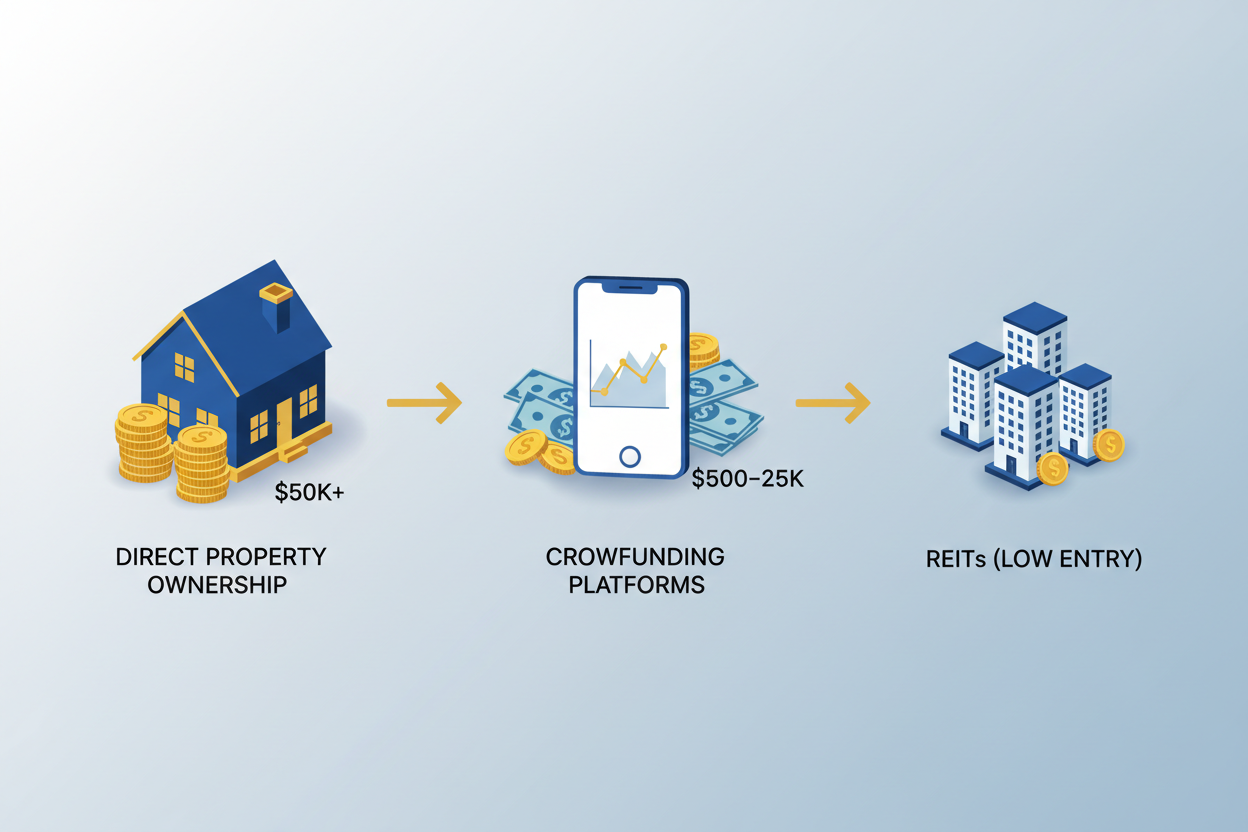
The beauty of real estate equity placement lies in its versatility. You can participate through direct ownership, real estate investment trusts (REITs), crowdfunding platforms, or partnership structures. Each approach offers different risk-return profiles and requires varying levels of involvement, making it possible to find strategies that align with your investment goals, timeline, and risk tolerance.
Current Market Conditions and Their Impact
Today’s real estate market is characterized by several defining trends that directly impact equity placement strategies. Interest rates, while still historically reasonable, have experienced significant volatility, affecting both borrowing costs and property valuations. This environment requires investors to be more selective and strategic about when and how they deploy capital.

Housing inventory remains tight in many markets, creating competition among buyers but also presenting opportunities for those who can move quickly or think creatively. The shift toward remote and hybrid work has fundamentally altered residential demand patterns, with some urban markets cooling while suburban and rural areas experience renewed interest.
Commercial real estate faces its own set of challenges and opportunities. Office spaces are being reimagined, retail properties are adapting to e-commerce trends, and industrial properties, particularly those supporting logistics and distribution, are experiencing strong demand. Understanding these sector-specific dynamics is crucial for effective equity placement.
Inflation concerns have also made real estate increasingly attractive as a hedge, but they’ve simultaneously increased construction costs and operational expenses. Successful investors are those who can navigate these competing forces while identifying properties and markets positioned for long-term growth.
Strategic Approaches to Real Estate Investment
Successful equity placement in real estate begins with a clear understanding of your investment objectives and risk tolerance. Are you seeking steady cash flow, long-term appreciation, or a combination of both? Your answer will significantly influence your strategy and property selection criteria.
The buy-and-hold strategy remains a cornerstone approach, particularly effective in markets with strong fundamentals and growth potential. This strategy works best when you can identify properties in areas with improving infrastructure, growing employment, or demographic trends that support long-term demand. The key is patience and the ability to weather short-term market fluctuations while building wealth through appreciation and cash flow.
Value-add investing has gained popularity among more active investors willing to take on additional risk for potentially higher returns. This approach involves purchasing properties below market value due to physical condition, management issues, or market timing, then implementing improvements to increase value and income. Success requires strong project management skills and sufficient capital reserves for unexpected costs.
For those seeking more passive involvement, real estate investment trusts and crowdfunding platforms offer exposure to professional-grade properties and management without the hands-on requirements of direct ownership. These vehicles have become increasingly sophisticated, offering access to everything from single-family rentals to large commercial developments.
Geographic Diversification and Market Selection
One of the most critical aspects of equity placement is geographic diversification. Putting all your investment capital into a single market, regardless of how promising it appears, exposes you to unnecessary risk. Economic downturns, natural disasters, or industry-specific challenges can significantly impact local real estate values.
When evaluating markets for investment, look beyond current property prices to understand the underlying economic drivers. Markets with diverse employment bases, growing populations, and strong infrastructure investments tend to offer more stable long-term prospects. Pay attention to factors like job growth, population demographics, and planned development projects that could influence future demand.
Emerging markets often present compelling opportunities for equity placement, but they require careful analysis. These markets may offer lower entry costs and higher potential returns, but they also carry increased risks related to economic volatility, regulatory changes, and infrastructure limitations. Successful investors often allocate a portion of their portfolio to these higher-risk, higher-reward opportunities while maintaining a foundation in more established markets.
The rise of remote work has created new opportunities in previously overlooked markets. Secondary cities and rural areas with good internet infrastructure and quality of life amenities are experiencing increased demand from both residents and investors. These markets often offer better cash flow potential due to lower acquisition costs relative to rental income.
Financing and Leverage Considerations
Effective equity placement involves strategic use of leverage to amplify returns while managing risk. In today’s interest rate environment, the cost of borrowing has increased, making it essential to carefully evaluate financing options and structure deals appropriately.
Traditional bank financing remains the most common approach for real estate investments, but alternative financing sources have expanded significantly. Hard money lenders, private lenders, and peer-to-peer platforms offer different terms and qualification criteria that may better suit certain investment strategies or investor profiles.
The loan-to-value ratio you choose significantly impacts both your potential returns and risk exposure. Higher leverage amplifies both gains and losses, while more conservative financing provides stability but may limit return potential. Many successful investors use a tiered approach, employing higher leverage for stable, cash-flowing properties and more conservative financing for value-add projects or higher-risk investments.
Consider the total cost of financing, including origination fees, closing costs, and ongoing servicing fees, when evaluating investment opportunities. Sometimes a slightly higher interest rate with lower fees may result in better overall returns, particularly for shorter-term investments or when you plan to refinance.
Risk Management and Portfolio Balance
Effective risk management is the foundation of successful equity placement in real estate. This involves both diversification across property types and markets, as well as maintaining adequate reserves for unexpected expenses, vacancy periods, and market downturns.
Property type diversification helps protect against sector-specific challenges. Residential properties typically offer more stable cash flows but may have limited appreciation potential in some markets. Commercial properties can provide higher returns but may be more sensitive to economic cycles. Industrial properties have shown strong performance recently but may face challenges if e-commerce growth slows.
Timing diversification is equally important. Rather than attempting to time the market perfectly, consider dollar-cost averaging your real estate investments over time. This approach helps smooth out market volatility and reduces the risk of making large investments at market peaks.
Maintain adequate liquidity reserves to handle unexpected expenses, take advantage of opportunities, or weather economic downturns. Many experienced investors keep 6-12 months of operating expenses in reserve for each property, plus additional funds for capital improvements and market opportunities.
Technology and Innovation in Real Estate Investment
Technology is transforming how investors identify, analyze, and manage real estate investments. Advanced analytics platforms now provide unprecedented access to market data, property performance metrics, and predictive modeling tools that can enhance investment decision-making.
Proptech solutions are streamlining property management, from automated rent collection to predictive maintenance systems. These technologies can improve cash flow and reduce operational headaches, making real estate investment more accessible to busy professionals and distant investors.
Blockchain technology and tokenization are beginning to enable fractional ownership of high-value properties, potentially opening new opportunities for equity placement. While still in early stages, these innovations could democratize access to premium real estate investments previously available only to institutional investors.
Virtual and augmented reality tools are revolutionizing property evaluation and due diligence processes. Investors can now conduct detailed property inspections remotely, expanding their potential investment universe beyond their immediate geographic area.
Tax Optimization Strategies
Tax considerations play a crucial role in equity placement strategies and can significantly impact net returns. Understanding depreciation benefits, 1031 exchanges, opportunity zones, and other tax-advantaged structures is essential for maximizing after-tax returns.
Depreciation allows real estate investors to deduct a portion of their property’s value each year, even while the property may be appreciating in value. This non-cash deduction can significantly reduce taxable income from rental properties, improving cash-on-cash returns.
1031 exchanges enable investors to defer capital gains taxes by reinvesting proceeds from property sales into similar properties. This strategy allows for portfolio growth and geographic diversification while preserving more capital for reinvestment.
Opportunity zones offer significant tax benefits for investments in designated economically distressed areas. Investors can defer and potentially reduce capital gains taxes while supporting community development initiatives.
Future Outlook and Emerging Trends
The future of real estate investment will likely be shaped by demographic shifts, technological advancement, and changing lifestyle preferences. Understanding these trends is crucial for positioning your equity placement strategy for long-term success.
Sustainability and environmental considerations are becoming increasingly important to both tenants and investors. Properties with energy-efficient features, green certifications, and sustainable design elements are commanding premium rents and valuations. Forward-thinking investors are incorporating ESG criteria into their investment decisions.
The aging population presents both challenges and opportunities. Senior housing and healthcare-related real estate are expected to experience strong demand, while traditional retail and office properties may need to adapt to changing usage patterns.
Urbanization trends continue globally, but the definition of desirable urban living is evolving. Mixed-use developments that combine residential, commercial, and recreational spaces are gaining popularity, offering investors opportunities to participate in comprehensive community development.
Frequently Asked Questions
What is the minimum amount needed to start real estate equity placement?
The minimum investment varies significantly depending on your chosen strategy. Direct property ownership typically requires substantial capital for down payments and reserves, often $50,000 or more. However, REITs can be purchased for as little as the cost of a single share, and crowdfunding platforms often have minimums ranging from $500 to $25,000.
How does equity placement differ from traditional real estate investing?
Equity placement emphasizes strategic capital allocation across multiple investment vehicles and markets, rather than simply buying individual properties. It involves portfolio-level thinking, risk management, and optimization strategies that consider factors like correlation, liquidity, and tax efficiency.
What are the biggest risks in real estate equity placement?
Key risks include market volatility, interest rate changes, property-specific issues like major repairs or extended vacancies, and economic downturns that affect property values and rental demand. Concentration risk from investing too heavily in one market or property type is also a significant concern.
How often should I review and adjust my real estate equity placement strategy?
Most successful investors conduct formal portfolio reviews annually, with quarterly check-ins on performance metrics and market conditions. However, you should be prepared to make adjustments more frequently if significant market changes occur or if your personal financial situation changes substantially.
Can real estate equity placement work for retirement planning?
Yes, real estate can be an excellent component of retirement planning, offering both income generation and inflation protection. Many investors transition from growth-focused strategies to income-focused approaches as they near retirement, emphasizing stable cash flow over appreciation potential. Self-directed IRAs can also be used to hold certain types of real estate investments with tax advantages.
Successful equity placement in today’s real estate market requires a combination of market knowledge, strategic thinking, and disciplined execution. By understanding current market conditions, implementing appropriate diversification strategies, and staying informed about emerging trends, investors can position themselves to build substantial wealth through real estate while managing risk effectively. Remember that real estate investment is a long-term endeavor that rewards patience, continuous learning, and adaptability to changing market conditions.
Free Stuff!
Add CTA sections description.