

Mezzanine Financing Explained: Is It Right for Your Business?
When your business is caught between the need for growth capital and the limitations of traditional financing options, mezzanine financing might just be the bridge you’re looking for. This hybrid form of funding has helped countless companies scale their operations, expand into new markets, and achieve their strategic goals. But like any financial instrument, it’s not a one-size-fits-all solution.
Whether you’re a seasoned entrepreneur or a business owner exploring funding alternatives for the first time, understanding mezzanine financing could open doors to opportunities you never knew existed. Let’s dive deep into this sophisticated financing option and help you determine if it aligns with your business objectives.

What Is Mezzanine Financing?
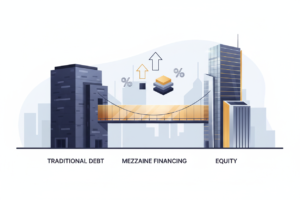
Mezzanine financing sits comfortably between traditional debt and equity financing, combining elements of both to create a unique funding structure. Think of it as the “middle child” of business financing – it carries characteristics of debt through regular interest payments, yet offers lenders the potential for equity-like returns through conversion features or warrants.
This type of financing typically involves unsecured debt that includes embedded equity instruments, such as options, warrants, or conversion rights. The beauty of mezzanine financing lies in its flexibility – it can be structured to meet the specific needs of both the borrower and the lender, making it an attractive option for businesses that have outgrown traditional bank loans but aren’t quite ready for a full equity sale.

Most mezzanine financing arrangements carry interest rates ranging from 12% to 20% annually, which might seem steep compared to traditional bank loans. However, this higher cost often comes with significant advantages, including longer repayment terms, flexible payment structures, and the ability to preserve more ownership control than you would with pure equity financing.
How Mezzanine Financing Works
The mechanics of mezzanine financing can vary significantly depending on the specific deal structure, but most arrangements follow a similar pattern. Lenders provide capital in exchange for debt instruments that carry the right to convert to equity ownership in the company under certain circumstances.
Payment structures in mezzanine deals often include both current pay and payment-in-kind (PIK) components. Current pay refers to cash interest payments made regularly, while PIK interest is added to the principal balance and paid at maturity. This structure helps preserve cash flow during the growth phase when businesses typically need every dollar for expansion.
The equity component usually comes in the form of warrants or conversion features that allow lenders to participate in the company’s upside potential. These features are typically triggered by specific events, such as a sale of the company, an initial public offering, or the achievement of certain performance milestones.
Maturity periods for mezzanine financing generally range from three to seven years, providing businesses with a longer runway than traditional bank loans. This extended timeline gives companies the breathing room they need to execute their growth strategies and position themselves for a successful exit or refinancing.
Key Benefits of Mezzanine Financing
One of the most compelling advantages of mezzanine financing is the preservation of ownership control. Unlike pure equity financing, where you might give up significant ownership stakes, mezzanine deals typically involve minimal dilution of existing shareholders’ positions. This means you can access substantial capital while maintaining decision-making authority over your business.
Flexibility represents another major benefit. Mezzanine lenders often work closely with borrowers to structure deals that accommodate specific business needs and cash flow patterns. Payment schedules can be tailored to match seasonal fluctuations, growth phases, or other unique characteristics of your business model.
The patient capital nature of mezzanine financing provides businesses with the time needed to execute long-term strategies. Unlike traditional lenders who might demand immediate returns, mezzanine investors understand that growth takes time and are willing to wait for their returns while supporting the company’s development.
Additionally, mezzanine lenders often bring valuable expertise and industry connections to the table. Many mezzanine funds are staffed by experienced professionals who can provide strategic guidance, introductions to potential customers or partners, and insights that can accelerate your business growth beyond what the capital alone could achieve.
Potential Drawbacks to Consider
The higher cost of capital represents the most obvious drawback of mezzanine financing. With interest rates typically ranging from 12% to 20%, plus the potential equity component, the all-in cost can be significantly higher than traditional debt financing. This makes mezzanine financing most suitable for businesses with strong growth prospects that can generate returns exceeding these costs.
Complexity is another factor to consider carefully. Mezzanine deals involve sophisticated legal structures, detailed covenants, and multiple moving parts that require experienced legal and financial advisors. The due diligence process is typically more extensive than traditional lending, and the ongoing reporting requirements can be more demanding.
The equity component, while potentially beneficial to lenders, represents a future claim on your business’s value. If your company performs exceptionally well, you might find yourself sharing a portion of that success with mezzanine investors through warrant exercises or conversion features.
Covenant restrictions in mezzanine agreements can also limit your operational flexibility. These might include restrictions on additional debt, dividend payments, capital expenditures, or major business decisions. While these covenants are designed to protect the lender’s investment, they can sometimes constrain management’s ability to respond quickly to market opportunities.
Who Should Consider Mezzanine Financing?
Mezzanine financing works best for established businesses with proven track records and predictable cash flows. Companies that have moved beyond the startup phase but still have significant growth potential are ideal candidates. This typically includes businesses with annual revenues of at least $10 million, though some mezzanine funds focus on smaller deals.
Companies planning major expansion initiatives, acquisitions, or market entry strategies often find mezzanine financing particularly attractive. The longer-term nature of the capital and flexible payment structures make it well-suited for initiatives that require time to generate returns.
Management buyouts and ownership transitions represent another common use case for mezzanine financing. When existing owners want to cash out partially or when management teams seek to acquire their companies, mezzanine financing can provide the necessary capital while allowing the management team to maintain control.
Businesses in capital-intensive industries or those requiring significant working capital to support growth often benefit from mezzanine financing. The patient capital nature of these deals provides the runway needed to build infrastructure, develop products, or expand operations without the pressure of immediate repayment.
Alternatives to Mezzanine Financing
Before committing to mezzanine financing, it’s worth exploring alternative funding sources that might better suit your specific situation. Traditional bank loans remain the most cost-effective option for businesses that qualify, though they typically come with shorter terms and more restrictive covenants.
Private equity represents another alternative, particularly for businesses ready to give up significant ownership in exchange for capital and expertise. While this involves more dilution than mezzanine financing, it often provides larger amounts of capital and can be less expensive on an all-in basis.
Revenue-based financing has gained popularity as an alternative that doesn’t require giving up equity or personal guarantees. This option involves repaying investors through a percentage of future revenues, making it attractive for businesses with predictable revenue streams.
Asset-based lending might work for businesses with significant tangible assets that can serve as collateral. This option typically offers lower interest rates than mezzanine financing but requires substantial assets and may not provide the flexibility needed for growth initiatives.
Making the Decision: Is Mezzanine Financing Right for You?
The decision to pursue mezzanine financing should align with your business’s specific circumstances, growth objectives, and risk tolerance. Start by honestly assessing your company’s financial position, growth prospects, and capital needs. Mezzanine financing makes most sense when you need substantial capital for growth initiatives that will generate returns exceeding the cost of the financing.
Consider your timeline carefully. If you need capital quickly, mezzanine financing might not be ideal due to the extensive due diligence process. However, if you can plan ahead and have several months to complete the financing process, the benefits often outweigh the time investment.
Evaluate your comfort level with the complexity and ongoing obligations that come with mezzanine financing. If you prefer simple, straightforward financing arrangements, traditional bank loans or revenue-based financing might be better options. However, if you’re willing to navigate the complexity in exchange for flexibility and growth capital, mezzanine financing could be transformative for your business.
Think about your long-term exit strategy as well. Mezzanine financing works particularly well for businesses planning to sell or go public within the financing term, as these events typically provide clear exit opportunities for mezzanine investors.
Ultimately, the right financing choice depends on your unique situation, and there’s no shame in starting with smaller, simpler financing options and working your way up to more sophisticated instruments like mezzanine financing as your business grows and your needs evolve.
Frequently Asked Questions
What is the typical size range for mezzanine financing deals?
Mezzanine financing deals typically range from $2 million to $100 million, though most fall between $5 million and $50 million. The size depends on the lender, the borrower’s needs, and the specific transaction structure.
How long does it take to close a mezzanine financing deal?
The process usually takes 60 to 120 days from initial discussions to closing. This timeline includes due diligence, documentation, legal review, and final negotiations. Complex deals or those involving multiple parties may take longer.
Can mezzanine financing be used for working capital needs?
Yes, mezzanine financing can be used for working capital, though it’s more commonly used for growth initiatives, acquisitions, or major capital expenditures. The higher cost makes it less suitable for short-term working capital needs.
What happens if my business struggles to make payments on mezzanine debt?
Mezzanine lenders typically work with borrowers to restructure payment terms or modify agreements during temporary difficulties. However, persistent payment issues could trigger conversion features or other remedies outlined in the financing agreement.
Is mezzanine financing available for all industries?
While mezzanine financing is available across many industries, lenders often prefer businesses with predictable cash flows and growth potential. Industries like technology, healthcare, manufacturing, and business services are commonly financed, while highly cyclical or declining industries may face more challenges accessing mezzanine capital.
Free Stuff!
Add CTA sections description.