

Optimizing Your Commercial Real Estate Financing Strategy: A Complete Guide to Securing the Best Deals
Commercial real estate financing can make or break your investment dreams. Whether you’re a seasoned investor looking to expand your portfolio or a first-time buyer stepping into the commercial market, having the right financing strategy is absolutely crucial. The difference between a well-structured deal and a poor one can mean thousands—or even millions—of dollars over the life of your investment.
In today’s competitive market, understanding the nuances of commercial real estate financing isn’t just helpful—it’s essential. With interest rates fluctuating and lending requirements constantly evolving, investors who take the time to optimize their financing approach often find themselves with significant advantages over their competition.
Understanding Commercial Real Estate Financing Fundamentals
Before diving into optimization strategies, it’s important to grasp the basics of commercial real estate financing. Unlike residential mortgages, commercial loans operate under different rules, requirements, and structures. These loans are typically evaluated based on the property’s income-generating potential rather than just the borrower’s personal creditworthiness.
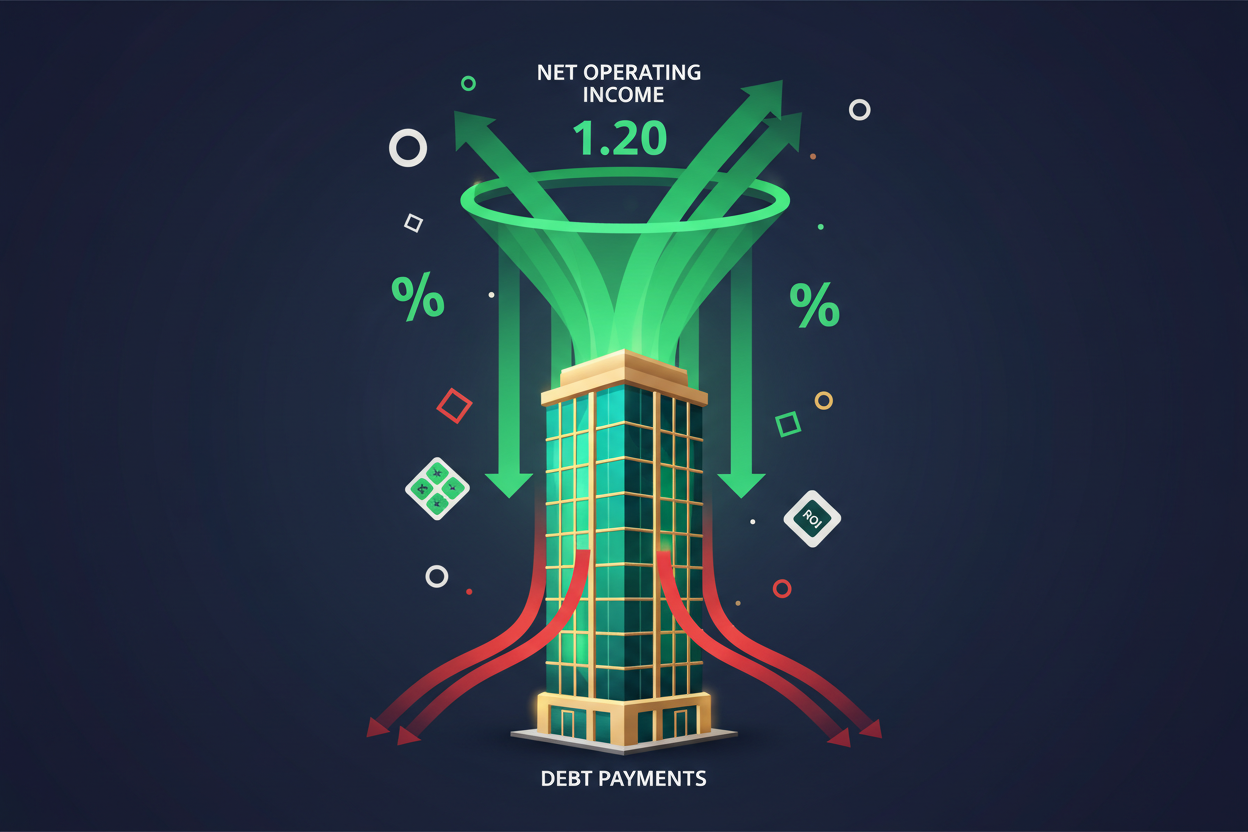
Commercial lenders focus heavily on metrics like the debt service coverage ratio (DSCR), which measures a property’s ability to service its debt obligations. They also consider the loan-to-value ratio (LTV), which compares the loan amount to the property’s appraised value. Understanding these fundamentals helps you speak the same language as lenders and positions you for more successful negotiations.
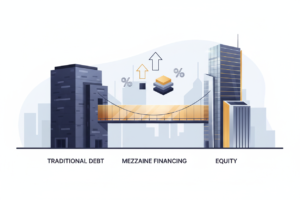
The commercial financing landscape includes various loan types, from traditional bank loans to SBA financing, CMBS loans, and alternative lending options. Each comes with distinct advantages and requirements, making it crucial to match your financing choice with your specific investment goals and circumstances.

Evaluating Your Current Financial Position
Honest self-assessment forms the foundation of any successful financing strategy. Start by thoroughly reviewing your credit profile, including both personal and business credit scores. Commercial lenders typically require higher credit standards than residential lenders, so addressing any credit issues before applying can save you significant time and potentially thousands in interest costs.
Your liquidity position plays a crucial role in commercial financing. Most lenders require substantial down payments—typically 20% to 30% for commercial properties—plus additional reserves for operating expenses and potential vacancies. Having these funds readily available demonstrates financial stability and can help you negotiate better terms.
Consider your existing debt obligations carefully. Lenders evaluate your overall debt-to-income ratio and may be hesitant to extend additional credit if you’re already highly leveraged. Sometimes, paying down existing debt before pursuing new commercial financing can actually improve your overall financial position and borrowing capacity.
Choosing the Right Type of Commercial Financing
The commercial lending market offers numerous financing options, each designed for different situations and property types. Traditional bank loans remain popular for their competitive rates and terms, but they often come with strict qualification requirements and lengthy approval processes.
SBA loans present an attractive option for owner-occupied properties, offering lower down payment requirements and favorable terms. The SBA 504 program, in particular, can be incredibly beneficial for businesses purchasing their operating facilities, providing long-term, fixed-rate financing for up to 90% of the project cost.
For larger transactions or properties with unique characteristics, CMBS (Commercial Mortgage-Backed Securities) loans might be appropriate. These loans are packaged and sold to investors, often allowing for higher loan amounts and more flexible underwriting, though they typically come with prepayment penalties and less personal service.
Alternative lenders have gained significant traction in recent years, offering faster approval times and more flexible qualification criteria. While interest rates may be higher, these options can be valuable for time-sensitive transactions or properties that don’t fit traditional lending criteria.
Building Strong Lender Relationships
Commercial real estate financing is fundamentally a relationship business. Successful investors understand that cultivating strong relationships with multiple lenders can provide significant advantages, including better terms, faster approvals, and access to exclusive opportunities.
Start by identifying lenders who specialize in your property type and geographic market. A community bank with extensive local knowledge might offer better terms for a neighborhood shopping center than a national lender unfamiliar with the area. Similarly, some lenders specialize in specific property types like multifamily housing or industrial properties.
Maintain regular communication with your lending contacts, even when you’re not actively seeking financing. Share market updates, property performance reports, and your investment plans. This ongoing relationship-building ensures you’re top-of-mind when attractive financing opportunities arise.
Consider working with a commercial mortgage broker who maintains relationships with multiple lenders. Experienced brokers can often identify financing options you might not have considered and can help navigate complex transactions. While broker fees add to your costs, the time savings and potential rate improvements often justify the expense.
Timing Your Financing Applications Strategically
Timing can significantly impact your commercial financing outcomes. Interest rate cycles, lending market conditions, and even seasonal factors can affect both availability and pricing of commercial loans. Staying informed about market trends helps you time your applications for optimal results.
Economic conditions heavily influence commercial lending. During periods of economic uncertainty, lenders often tighten requirements and may be less willing to finance certain property types. Conversely, during stable economic periods, competition among lenders can lead to more favorable terms for borrowers.
Your personal and business financial cycles also matter. Applying for financing shortly after filing tax returns, when your financial picture is most current and complete, can streamline the approval process. Similarly, timing applications to coincide with strong property performance periods can strengthen your position with lenders.
Consider the seasonal nature of commercial real estate markets. While commercial transactions occur year-round, certain times may offer advantages. For example, applying for financing in late fall or early winter might encounter less competition from other borrowers, potentially leading to more attention from lenders.
Negotiating Better Terms and Rates
Successful commercial real estate financing involves much more than simply accepting the first offer you receive. Every aspect of a commercial loan can potentially be negotiated, from interest rates and fees to prepayment penalties and reporting requirements.
Come to negotiations prepared with comparable offers from other lenders. This demonstrates market knowledge and provides leverage for securing better terms. However, don’t focus solely on interest rates—sometimes a slightly higher rate with more favorable terms can provide better overall value.
Pay attention to loan fees, which can add substantial costs to your financing. Origination fees, appraisal costs, environmental assessments, and legal fees can easily reach tens of thousands of dollars. Some fees may be negotiable, particularly if you’re bringing substantial business to the lender.
Consider the loan structure carefully. Longer amortization periods reduce monthly payments but increase total interest costs. Shorter terms might offer better rates but require higher payments. Match the loan structure to your investment strategy and cash flow requirements.
Preparing Comprehensive Documentation
Commercial lenders require extensive documentation to evaluate loan applications. Being thoroughly prepared with organized, complete documentation can significantly accelerate the approval process and demonstrate professionalism to lenders.
Financial documentation forms the core of your application. This includes several years of tax returns, financial statements, rent rolls, operating statements, and cash flow projections. For existing properties, provide detailed operating histories showing income, expenses, and occupancy trends.
Property-specific documentation is equally important. This includes appraisals, environmental assessments, property condition reports, and market studies. Having recent, professional assessments ready can prevent delays and demonstrates due diligence to lenders.
Personal guarantees are common in commercial lending, so be prepared to provide personal financial statements and tax returns. Some lenders may accept limited guarantees or allow guarantees to be removed once certain performance criteria are met, so explore these options during negotiations.
Managing Risk and Contingencies
Successful commercial real estate financing strategies always include risk management components. Understanding potential risks and having contingency plans can protect your investment and maintain your financing capacity for future opportunities.
Interest rate risk represents a significant concern, particularly with variable-rate loans. Consider interest rate hedging strategies or caps to protect against rising rates. Some lenders offer rate-lock options during the application process, which can be valuable in rising rate environments.
Maintain adequate reserves for property improvements, market downturns, and unexpected expenses. Lenders appreciate borrowers who demonstrate conservative financial management, and adequate reserves can help you weather challenging periods without jeopardizing your loan status.
Develop relationships with multiple financing sources to ensure you have options if your primary lender’s situation changes. Banks occasionally exit certain markets or tighten lending criteria, so having alternative financing relationships provides important backup options.
Conclusion
Optimizing your commercial real estate financing strategy requires careful planning, market knowledge, and ongoing relationship management. Success comes from understanding your financial position, choosing appropriate financing options, and building strong lender relationships that provide advantages in competitive markets.
Remember that commercial real estate financing is not a one-size-fits-all proposition. What works for one investor or property type may not be optimal for another. Take time to evaluate your specific situation, investment goals, and market conditions when developing your financing approach.
The commercial real estate market will continue evolving, with new financing products and changing lender requirements. Staying informed about market trends and maintaining flexibility in your financing strategy will help you capitalize on opportunities while managing risks effectively. With the right approach, optimized commercial real estate financing can become a powerful tool for building long-term wealth and achieving your investment objectives.
Frequently Asked Questions
What credit score do I need for commercial real estate financing?
Most commercial lenders prefer credit scores of 680 or higher, though some may work with scores as low as 620 for strong deals. Higher credit scores typically result in better interest rates and terms. Business credit history is also important and should be established and maintained separately from personal credit.
How much down payment is required for commercial real estate loans?
Down payment requirements typically range from 20% to 30% for commercial properties, though this can vary based on property type, borrower strength, and loan program. SBA loans may require as little as 10% down for owner-occupied properties, while investment properties often require 25% or more.
What is the debt service coverage ratio, and why is it important?
The debt service coverage ratio (DSCR) measures a property’s ability to pay its debt obligations. It’s calculated by dividing the property’s net operating income by its annual debt service. Most lenders require a DSCR of at least 1.20, meaning the property generates 20% more income than needed to service the debt.
How long does the commercial loan approval process typically take?
Commercial loan approval times vary significantly, typically ranging from 30 to 90 days. Factors affecting timing include loan complexity, property type, borrower preparedness, and lender workload. Having complete documentation ready and working with experienced lenders can help expedite the process.
Can I refinance a commercial real estate loan early?
Most commercial loans include prepayment penalties that make early refinancing expensive. However, some loans offer step-down penalties that decrease over time, and others may allow refinancing without penalties after a certain period. Review prepayment terms carefully before committing to any commercial loan.
Free Stuff!
Add CTA sections description.