


Exploring New Trends in CRE Capital Markets: What Real Estate Professionals Need to Know in 2024
The commercial real estate capital markets landscape has undergone a dramatic transformation over the past few years. As someone who’s been watching these changes unfold, I can tell you that we’re witnessing shifts that would have seemed impossible just a decade ago. From the rise of alternative financing structures to the integration of cutting-edge technology, the CRE capital markets are evolving at breakneck speed.
Whether you’re a seasoned real estate professional or just starting to navigate these waters, understanding these emerging trends isn’t just helpful – it’s essential for staying competitive in today’s market. The traditional playbook is being rewritten, and those who adapt quickly will find themselves at a significant advantage.

The Digital Revolution in CRE Capital Markets
Technology has become the great equalizer in commercial real estate financing. What once required weeks of paperwork and countless meetings can now happen with a few clicks. I’ve personally witnessed deals that would have taken months to close now wrapping up in a matter of weeks, thanks to digital platforms and automated processes.
PropTech companies are leading this charge, creating sophisticated platforms that connect borrowers with lenders more efficiently than ever before. These platforms use artificial intelligence to match financing needs with the most suitable capital sources, dramatically reducing the time and effort required for deal origination.

The emergence of blockchain technology is another game-changer that’s gaining serious traction. Smart contracts are beginning to automate many aspects of real estate transactions, from escrow management to payment processing. While we’re still in the early stages, the potential for blockchain to streamline capital markets operations is enormous.
Alternative Financing Structures Gain Momentum
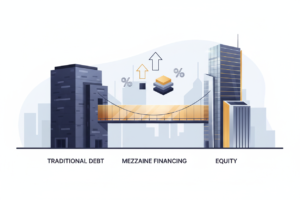
Traditional bank lending, while still dominant, is no longer the only game in town. The rise of alternative financing has opened doors for borrowers who might have struggled to secure conventional loans. This shift has been particularly beneficial for smaller developers and investors who previously found themselves shut out of certain markets.
Debt funds have emerged as major players, offering more flexible terms and faster execution than traditional lenders. These funds often specialize in specific property types or geographic markets, bringing deep expertise to their lending decisions. The result is often a more nuanced approach to risk assessment and pricing.
Crowdfunding platforms have democratized access to commercial real estate investments in ways we couldn’t have imagined before. Retail investors can now participate in deals that were once exclusively available to institutional players. This trend has created new capital sources while also increasing transparency in the market.
ESG Considerations Reshape Investment Strategies
Environmental, Social, and Governance factors have moved from nice-to-have considerations to must-have requirements for many investors. I’ve seen deals fall through simply because a property didn’t meet ESG criteria, highlighting just how important these factors have become.
Green financing options are proliferating rapidly. Sustainability-linked loans offer borrowers better terms when they meet specific environmental performance targets. These structures create win-win scenarios where borrowers save money while contributing to environmental goals.
The focus on ESG isn’t just about environmental impact anymore. Social considerations, such as affordable housing components and community development, are increasingly influencing investment decisions. Governance factors, including diversity in development teams and transparent reporting practices, are also gaining importance.
Interest Rate Volatility Creates New Opportunities and Challenges
The recent period of interest rate volatility has created both headaches and opportunities in the CRE capital markets. While higher rates have certainly cooled some sectors, they’ve also created opportunities for savvy investors and lenders who know how to navigate these conditions.
Floating-rate debt structures have become more popular as borrowers seek to avoid being locked into high fixed rates. These structures often include interest rate caps or collars to provide some protection against extreme rate movements.
The shift in interest rates has also led to increased focus on value-add and opportunistic strategies. Investors are finding opportunities to acquire assets at attractive prices from sellers who are struggling with higher financing costs.
Institutional Capital Seeks New Asset Classes
Traditional asset classes like office and retail have faced significant headwinds, pushing institutional investors to explore alternative property types. Industrial and logistics properties have been clear winners, driven by the continued growth of e-commerce and supply chain optimization needs.
Life sciences real estate has emerged as a hot sector, with investors pouring capital into laboratory and research facilities. The pandemic highlighted the importance of this sector, and the investment flows have continued well beyond the initial COVID-19 response.
Data centers represent another rapidly growing segment. As our digital economy expands, the need for data storage and processing facilities continues to grow exponentially. These properties offer attractive lease terms and stable cash flows that appeal to institutional investors.
Cross-Border Investment Patterns Evolve
Global capital flows in commercial real estate have shifted dramatically in recent years. While traditional sources like European and Asian sovereign wealth funds remain important, we’re seeing new players enter the market from unexpected regions.
Currency fluctuations and geopolitical tensions have created both opportunities and challenges for cross-border investors. Some investors are finding attractive entry points due to currency advantages, while others are being more cautious about international exposure.
The rise of remote work has also influenced international investment patterns. Investors are looking beyond traditional gateway cities to secondary and tertiary markets that offer better value propositions and growth potential.
Regulatory Changes Impact Market Dynamics
Banking regulations continue to evolve, particularly around commercial real estate lending. These changes are pushing more lending activity toward non-bank lenders and alternative financing sources. While this creates challenges for traditional banks, it opens opportunities for other capital providers.
Tax policy changes at both federal and state levels are influencing investment decisions. Opportunity Zone programs, while past their initial hype phase, continue to drive capital to previously underinvested areas. State-level tax incentives are also playing an increasingly important role in location decisions.
Zoning and land use regulations are becoming more flexible in many markets, creating new development opportunities. Adaptive reuse projects are benefiting from these regulatory changes, allowing for creative solutions to changing space needs.
The Future of CRE Capital Markets
Looking ahead, I expect the trends we’re seeing today to accelerate rather than slow down. Technology will continue to streamline processes and create new efficiencies. Alternative financing will likely gain even more market share as these platforms mature and prove their effectiveness.
The focus on ESG factors will only intensify as both investors and tenants demand more sustainable and socially responsible real estate options. This will create opportunities for properties and developers who can meet these evolving standards.
Interest rate volatility may persist, but the market is adapting with more sophisticated hedging strategies and flexible financing structures. The key will be maintaining access to capital while managing risk effectively.
Conclusion
The commercial real estate capital markets are in the midst of a fundamental transformation. These changes present both challenges and opportunities for market participants. Success will depend on staying informed about emerging trends and being willing to adapt strategies as the market evolves.
For real estate professionals, the message is clear: embrace change, leverage technology, and remain flexible in your approach to financing and investment. The markets of tomorrow will reward those who can navigate this new landscape effectively.
The trends we’ve explored represent just the beginning of what promises to be an exciting evolution in CRE capital markets. By understanding and adapting to these changes, real estate professionals can position themselves for success in this dynamic environment.
Frequently Asked Questions
What are the biggest challenges facing CRE capital markets today?
The primary challenges include interest rate volatility, evolving ESG requirements, technological disruption, and changing space utilization patterns. Additionally, regulatory changes and geopolitical uncertainties continue to create complexity for market participants.
How is technology changing commercial real estate financing?
Technology is streamlining the entire financing process through digital platforms, automated underwriting, and blockchain-based smart contracts. PropTech companies are creating more efficient connections between borrowers and lenders, while AI is improving risk assessment and deal matching.
What role do ESG factors play in CRE investment decisions?
ESG factors have become critical considerations for many investors, often determining whether deals move forward. Environmental sustainability, social impact, and governance practices are increasingly influencing investment criteria, loan terms, and property valuations.
Are alternative financing sources reliable for CRE projects?
Alternative financing sources have proven increasingly reliable and competitive. Debt funds, crowdfunding platforms, and other non-traditional lenders often offer more flexibility and faster execution than conventional banks, though borrowers should carefully evaluate terms and track records.
How are rising interest rates affecting CRE capital markets?
Higher interest rates have cooled some market segments but also created opportunities for value-oriented investors. Many borrowers are turning to floating-rate structures with caps, while some sellers are offering creative financing solutions to maintain transaction velocity.
Which property types are attracting the most capital currently?
Industrial and logistics properties, life sciences facilities, and data centers are currently seeing strong capital flows. These sectors benefit from long-term demographic and technological trends that support sustained demand and stable cash flows.
Free Stuff!
Add CTA sections description.