


Spotlight on 2026’s Best CRE Investment Opportunities: Where Smart Money is Heading
As we stand at the threshold of 2026, commercial real estate investors are recalibrating their strategies in response to evolving market dynamics. The landscape has shifted dramatically over the past few years, creating both challenges and unprecedented opportunities for those with the foresight to adapt. Whether you’re a seasoned investor or someone looking to diversify your portfolio, understanding where the smart money is flowing can make the difference between mediocre returns and exceptional gains.
The commercial real estate market of 2026 isn’t your grandfather’s property game. Technology integration, changing work patterns, and demographic shifts have fundamentally altered what constitutes a prime investment opportunity. Today’s savvy investors are looking beyond traditional metrics, focusing instead on properties and sectors that align with tomorrow’s needs rather than yesterday’s assumptions.

The Industrial Revolution 2.0: Warehouse and Distribution Centers
If there’s one sector that’s absolutely crushing it in 2026, it’s industrial real estate. The e-commerce boom that began years ago has evolved into something much more sophisticated, creating an insatiable demand for strategically located warehouse and distribution facilities. But here’s the thing – it’s not just about size anymore.
Modern distribution centers are becoming technological marvels. Properties equipped with automated sorting systems, drone delivery capabilities, and AI-powered inventory management are commanding premium rents. Investors are particularly drawn to facilities located within last-mile delivery zones of major metropolitan areas, where the competition for space is fierce and rental rates continue climbing.
What makes this sector especially attractive is its resilience. Unlike office spaces that might sit empty or retail locations that struggle with foot traffic, well-positioned industrial properties maintain consistent occupancy rates. The key is identifying properties that can adapt to future logistics needs – think higher ceiling heights for automation, robust power infrastructure for robotics, and proximity to major transportation hubs.
Healthcare Real Estate: The Aging Population Goldmine
Here’s a trend you can literally bank on: people are getting older, and they need healthcare services. Medical office buildings, outpatient surgery centers, and specialized care facilities are experiencing unprecedented demand. But the real opportunity lies in understanding which types of healthcare real estate will thrive in the coming years.
Outpatient facilities are particularly hot right now. The shift toward same-day procedures and preventive care has created a boom in demand for medical office spaces that can accommodate specialized equipment and procedures. Properties that can easily be retrofitted for telemedicine capabilities or hybrid care models are especially valuable.
Senior living facilities represent another compelling opportunity, though they require more specialized knowledge to navigate successfully. The key is focusing on properties that offer multiple levels of care – from independent living to memory care – all within the same complex. This approach maximizes occupancy rates and provides residents with aging-in-place options that families increasingly demand.
Data Centers: The Digital Infrastructure Backbone
In our increasingly connected world, data centers have become as essential as roads and bridges. The explosion of artificial intelligence, cloud computing, and edge computing has created an almost unlimited appetite for data storage and processing facilities. For investors, this represents one of the most stable and growing sectors in commercial real estate.
The beauty of data center investments lies in their long-term lease structures and credit-worthy tenants. Major technology companies and cloud service providers typically sign 10 to 20-year leases, providing investors with predictable cash flows that are largely immune to economic downturns. After all, our digital dependency only grows stronger with each passing year.
Location matters enormously in the data center world. Properties near major internet exchange points, with access to reliable power grids and fiber networks, command the highest values. Investors should also consider the growing importance of edge computing, which requires smaller data centers located closer to population centers to reduce latency for applications like autonomous vehicles and augmented reality.
Adaptive Reuse: Breathing New Life into Old Properties
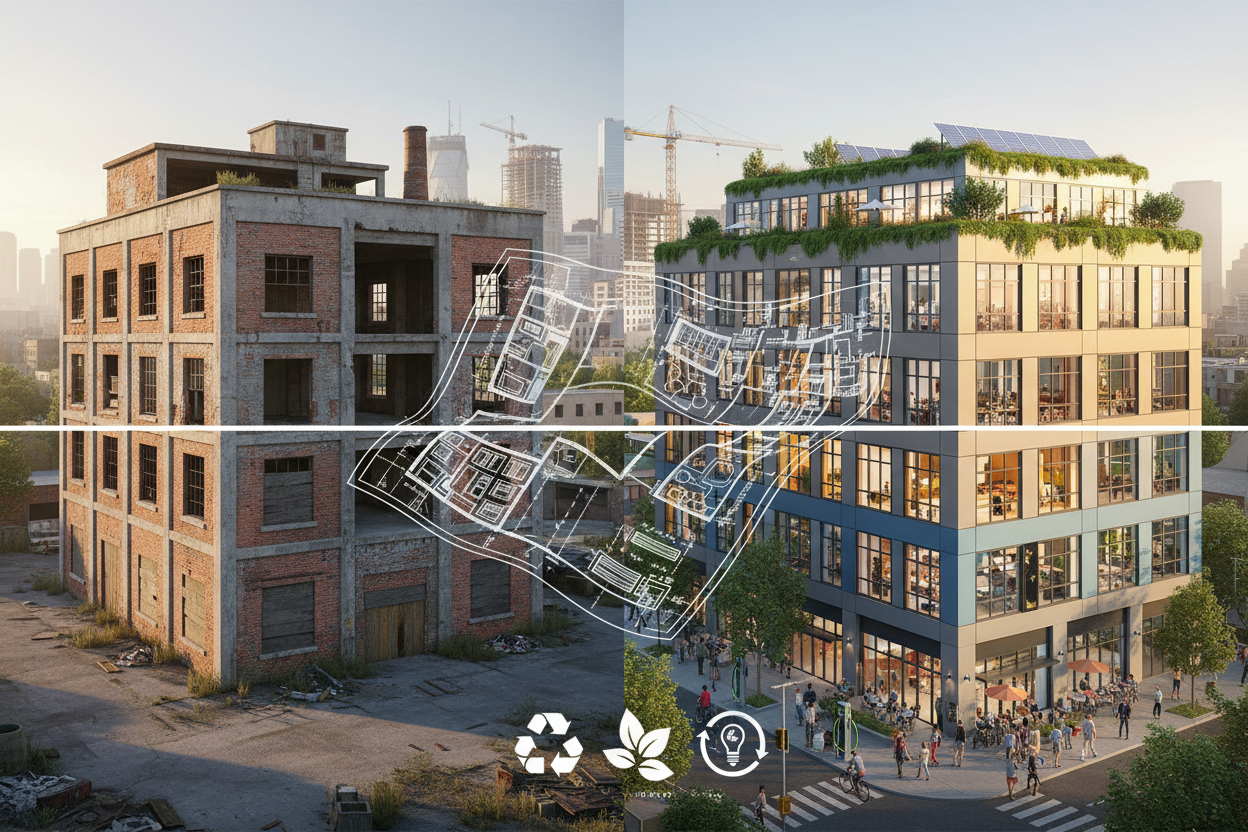
One of the most exciting trends in commercial real estate is the transformation of obsolete properties into modern, functional spaces. Old shopping malls are becoming mixed-use developments with residential, office, and entertainment components. Former department stores are being converted into fulfillment centers or medical facilities. This adaptive reuse strategy offers investors the opportunity to acquire properties at significant discounts while creating value through creative redevelopment.
The key to successful adaptive reuse lies in understanding zoning regulations, construction costs, and market demand for alternative uses. Properties with good bones – solid structural systems, adequate parking, and favorable locations – can often be transformed into highly profitable investments. The environmental benefits of reusing existing structures also align with growing sustainability requirements, making these projects increasingly attractive to both tenants and municipalities.
Mixed-use developments represent a particularly compelling subset of adaptive reuse opportunities. Properties that combine residential, retail, and office components can weather economic storms better than single-use buildings. When one sector struggles, others can help maintain overall property performance.
Suburban Office Spaces: The New Work Reality
While urban office markets continue to grapple with remote work trends, suburban office properties are experiencing a renaissance. Companies are discovering that smaller, satellite offices located closer to where employees live can offer the best of both worlds – in-person collaboration without lengthy commutes.
The most successful suburban office investments share certain characteristics: ample parking, modern technology infrastructure, and flexible floor plans that can accommodate hybrid work arrangements. Properties that can easily be subdivided for multiple tenants are particularly valuable, as companies right-size their space requirements.
Investors should focus on suburban markets with strong demographics – areas with high concentrations of knowledge workers who have the flexibility to work from satellite locations. These properties often trade at significant discounts to their urban counterparts while offering similar or better rental yields.
Specialized Retail: Experience Over Transaction
While traditional retail continues to face headwinds, certain types of retail properties are thriving. Experience-based retail – think entertainment venues, fitness centers, and specialty food establishments – has proven remarkably resilient. These businesses offer something that online retailers simply cannot: immersive, social experiences that bring communities together.
Food halls and entertainment complexes represent particularly strong investment opportunities. These venues create destination experiences that drive consistent foot traffic and support higher rental rates. Properties that can accommodate a mix of established brands and emerging concepts tend to perform best, as they can adapt to changing consumer preferences.
The key to successful retail investment in 2026 is understanding which businesses truly need physical locations to deliver their value proposition. Services that require personal interaction, hands-on experiences, or immediate gratification continue to thrive in well-positioned retail spaces.
Geographic Hotspots: Where to Focus Your Search
Location has always been paramount in real estate, but the geographic preferences for commercial investment have shifted significantly. Secondary and tertiary markets are attracting increasing attention as investors seek better value propositions and growth potential.
The Sun Belt continues to be a major draw, with cities like Austin, Nashville, and Tampa offering compelling combinations of population growth, business-friendly policies, and relatively affordable real estate prices. These markets benefit from corporate relocations and demographic trends that show no signs of slowing.
Don’t overlook emerging markets in the Mountain West and Pacific Northwest. Cities like Boise, Salt Lake City, and Portland are experiencing rapid growth driven by technology companies and lifestyle preferences. These markets often offer better entry points for investors while providing exposure to dynamic economic growth.
Financing Strategies for 2026 CRE Investments
The financing landscape for commercial real estate has evolved considerably, offering investors more options but also requiring greater sophistication. Traditional bank financing remains important, but alternative lending sources have expanded the toolkit available to investors.
Interest rates in 2026 have stabilized at levels that, while higher than the ultra-low rates of previous years, still support profitable real estate investments when properties are selected carefully. The key is matching financing terms to property cash flows and investment timelines.
Many successful investors are utilizing a combination of debt sources to optimize their capital structure. Bridge loans for value-add properties, permanent financing for stabilized assets, and even crowdfunding platforms for smaller investments all play roles in modern CRE finance strategies.
Risk Management in Today’s Market
Every investment carries risk, and commercial real estate is no exception. However, understanding and managing these risks can significantly improve investment outcomes. Diversification across property types, geographic markets, and tenant industries remains one of the most effective risk management strategies.
Due diligence has become more complex but also more critical. Environmental assessments, technology infrastructure evaluations, and detailed market analysis are no longer optional – they’re essential components of any serious investment consideration. The cost of thorough due diligence is always less than the cost of a bad investment.
Investors should also consider the impact of climate change on their properties. Flood zones, wildfire risks, and extreme weather events can significantly affect property values and insurance costs. Properties with sustainable features and climate resilience are increasingly commanding premium valuations.
The commercial real estate investment landscape of 2026 offers tremendous opportunities for those who approach it with knowledge, patience, and strategic thinking. While the market has certainly evolved from previous decades, the fundamental principles of successful real estate investment remain constant: location, cash flow, and careful risk management.
Success in today’s market requires staying informed about technological trends, demographic shifts, and evolving tenant needs. The investors who thrive are those who can anticipate change rather than simply react to it. Whether you’re drawn to the stability of industrial properties, the growth potential of healthcare real estate, or the transformation opportunities in adaptive reuse projects, 2026 offers compelling options across multiple sectors.
Remember that commercial real estate investment is not a get-rich-quick scheme – it’s a long-term wealth-building strategy that rewards patience, due diligence, and strategic thinking. The opportunities highlighted here represent starting points for your research, not final investment recommendations. Always conduct thorough due diligence and consider consulting with experienced professionals before making any investment decisions.
Frequently Asked Questions
What is the minimum investment required for commercial real estate in 2026?
The minimum investment varies significantly depending on the property type and location. Small commercial properties might require $500,000 to $1 million, while institutional-grade properties often require $5 million or more. However, real estate investment trusts (REITs) and crowdfunding platforms allow investors to participate with much smaller amounts, sometimes as little as $1,000.
How do I evaluate the potential return on a commercial real estate investment?
Key metrics include cap rate (net operating income divided by property value), cash-on-cash return, and internal rate of return (IRR). Also consider factors like location quality, tenant creditworthiness, lease terms, and potential for appreciation. Professional appraisals and market analysis are essential for accurate evaluation.
What are the biggest risks in commercial real estate investing right now?
Major risks include interest rate fluctuations, changing tenant demands (especially in office and retail), oversupply in certain markets, and economic recession impacts. Technology disruption and climate change also pose long-term risks to certain property types and locations.
Should I invest directly in properties or through REITs?
Direct property investment offers more control and potentially higher returns but requires significant capital, expertise, and time commitment. REITs provide liquidity, diversification, and professional management but offer less control and potentially lower returns. Many investors use a combination of both approaches.
How has remote work affected commercial real estate investment opportunities?
Remote work has reduced demand for traditional office space in urban cores while increasing interest in flexible, suburban office locations. It has also boosted demand for residential properties in secondary markets and industrial properties supporting e-commerce. Successful investors are adapting their strategies to these new work patterns.
What role does technology play in modern commercial real estate investments?
Technology is crucial for property management, tenant attraction, and operational efficiency. Properties with modern technology infrastructure, smart building features, and adaptability for future tech upgrades command higher rents and valuations. Investors should prioritize tech-enabled properties and consider PropTech solutions for portfolio management.
Free Stuff!
Add CTA sections description.